


Introduction
If you want to lower your golf scores quickly, focusing on your short game is one of the smartest decisions you can make. Many golfers spend hours practicing long drives but overlook the area where most strokes are actually gained or lost. This is where short game drills for better scores become essential. A strong short game helps you recover from mistakes, save strokes, and build confidence around the green. Whether you are a beginner learning the basics or an intermediate player aiming to improve consistency, mastering simple drills can make a big difference. The beauty of these drills is that they do not require fancy equipment or a professional coach. With regular practice and the right approach, you can sharpen your skills in chipping, pitching, and putting. Over time, you will notice better control, improved accuracy, and lower scores on the course. In this guide, you will learn practical and easy-to-follow short game drills for better scores that you can start using right away.
What is Short Game Drills for Better Scores?
Short game drills for better scores refer to structured practice exercises designed to improve your performance in shots played near or around the green. These include putting, chipping, pitching, and bunker shots. Unlike long-distance shots, the short game focuses on precision, touch, and control.
The main goal of these drills is to help you develop consistency and confidence in situations where small mistakes can cost you strokes. For example, a simple chip shot that lands too far from the hole can turn a potential par into a bogey.
By practicing short game drills regularly, golfers can reduce errors and improve their overall performance. These drills are especially useful because they simulate real-game scenarios and help players build muscle memory. As a result, you can perform better under pressure during actual rounds.
Why is Short Game Drills for Better Scores Important?
Short game drills for better scores are important because they directly impact your ability to finish holes efficiently. Most golfers lose strokes within 100 yards of the hole, making this area crucial for improvement.
First, a strong short game allows you to recover from poor shots. Even if your drive or approach is not perfect, you can still save par with a good chip or putt.
Second, it builds confidence. When you know you can rely on your short game, you feel more relaxed and focused during your round.
Third, it improves scoring consistency. Instead of relying on long shots, you can depend on your ability to control distance and direction near the green.
Finally, short game drills for better scores help reduce pressure. When you practice regularly, you become more comfortable handling different situations, which leads to better decision-making on the course.
Detailed Step-by-Step Guide
Putting Drill: The Circle Drill
This is one of the most effective short game drills for better scores. Place several balls in a circle around the hole, about three feet away.
Start by putting each ball into the hole without missing. If you miss one, begin again. This drill improves accuracy and builds confidence in short putts.
Gradually increase the distance as you improve. Over time, you will notice better control and consistency in your putting.
Chipping Drill: Landing Spot Practice
Choose a specific spot on the green where you want your ball to land.
Practice chipping the ball so it lands exactly on that spot and rolls toward the hole. This drill helps you control distance and trajectory.
Repeat this exercise with different clubs to understand how each one affects the ball’s movement. Consistency in this drill will lead to better results during actual games.
Pitching Drill: Distance Control
Set up targets at different distances, such as 10, 20, and 30 yards.
Practice hitting pitch shots to each target while maintaining the same swing motion.
Focus on adjusting your swing length rather than changing your speed. This drill is essential for developing touch and feel in your short game.
Bunker Drill: Splash Shot Practice
Draw a line in the sand and practice hitting shots that strike the sand just behind the line.
The goal is to create a consistent splash that lifts the ball out of the bunker.
This drill helps you understand how to use the sand to control your shots, making bunker play less intimidating.
One-Handed Drill
Practice chipping or putting using only your lead hand.
This drill improves control and helps you feel the correct movement of the club.
After practicing with one hand, switch back to your normal grip and notice the improvement in your technique.
Pressure Drill
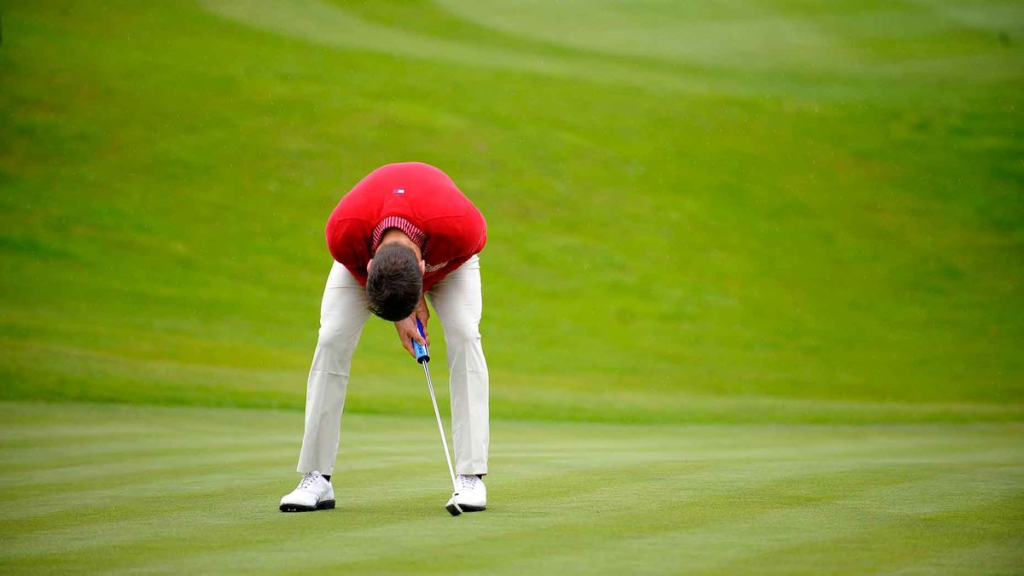
Create a challenge for yourself by setting a target number of successful shots.
For example, make five consecutive putts or land three chips close to the hole.
If you fail, start again. This drill simulates real-game pressure and helps you stay focused under stress.
Benefits of Short Game Drills for Better Scores
- Improves accuracy and control around the green
- Builds confidence in critical situations
- Reduces the number of strokes per round
- Enhances consistency in performance
- Helps develop better touch and feel
- Prepares you for real-game scenarios
- Saves strokes even after poor shots
- Boosts overall golf skills
Disadvantages / Risks
- Can become repetitive if not varied
- Requires patience and regular practice
- Progress may feel slow at first
- Overtraining can lead to fatigue
- Incorrect practice can reinforce bad habits
- Lack of focus reduces effectiveness
Common Mistakes to Avoid
Many golfers make simple mistakes when practicing short game drills for better scores. One common mistake is focusing only on distance without considering accuracy. Both are equally important for success.
Another mistake is practicing without a clear goal. Random practice sessions do not produce consistent improvement. Always set specific targets before starting.
Poor technique is also a major issue. If you practice with incorrect form, you may develop habits that are hard to fix later.
Skipping putting practice is another common error. Many players underestimate its importance, even though it plays a huge role in scoring.
Finally, lack of consistency can slow your progress. Practicing occasionally is not enough. Regular and focused sessions are key to improvement.
FAQs
What are the best short game drills for beginners?
The best drills for beginners include simple putting drills like the circle drill and basic chipping exercises focusing on landing spots. These help build a strong foundation and improve confidence quickly.
How often should I practice short game drills?
It is recommended to practice short game drills for better scores at least three to four times a week. Even short sessions of 20 to 30 minutes can make a big difference over time.
Can short game drills really lower my score?
Yes, consistent practice with short game drills for better scores can significantly reduce your overall score. Many strokes are lost near the green, so improvement in this area has a direct impact.
Do I need special equipment for these drills?
No, most short game drills can be done with basic golf equipment. All you need is a club, a few balls, and access to a practice area.
How long does it take to see improvement?
Results vary depending on practice frequency and effort. However, most golfers notice improvement within a few weeks of consistent practice.
Are short game drills suitable for intermediate players?
Yes, these drills are useful for both beginners and intermediate players. Intermediate players can focus on refining technique and improving consistency.
Expert Tips & Bonus Points
To get the most out of short game drills for better scores, focus on quality rather than quantity. Practicing with full concentration for a short time is better than long, unfocused sessions.
Always simulate real-game conditions. For example, practice different lies and slopes to prepare for actual situations on the course.
Track your progress by keeping a record of your practice sessions. This helps you identify areas that need improvement.
Another useful tip is to practice with a purpose. Set specific goals for each session, such as improving accuracy or distance control.
Finally, stay patient and positive. Improvement takes time, but consistent effort will lead to better results.
Conclusion
Improving your golf performance does not always require powerful drives or advanced techniques. In fact, focusing on the short game is one of the most effective ways to lower your scores. Short game drills for better scores help you develop accuracy, control, and confidence in the most critical areas of the game. By practicing putting, chipping, pitching, and bunker shots regularly, you can turn weaknesses into strengths. These drills are simple, practical, and suitable for players of all skill levels. While progress may take time, the results are worth the effort. You will notice better consistency, fewer mistakes, and improved performance on the course. Remember to practice with a clear goal, avoid common mistakes, and stay committed to your routine. With dedication and the right approach, short game drills for better scores can transform your golf game and help you achieve your goals.
