

Introduction
Understanding how to read a golf course layout before tee time is one of the most important skills for any beginner or intermediate golfer. Many players step onto the course without studying the map and end up making poor decisions that affect their score. Learning how to read a golf course layout before tee time helps you plan each shot, understand hazards, and choose the right clubs with confidence.
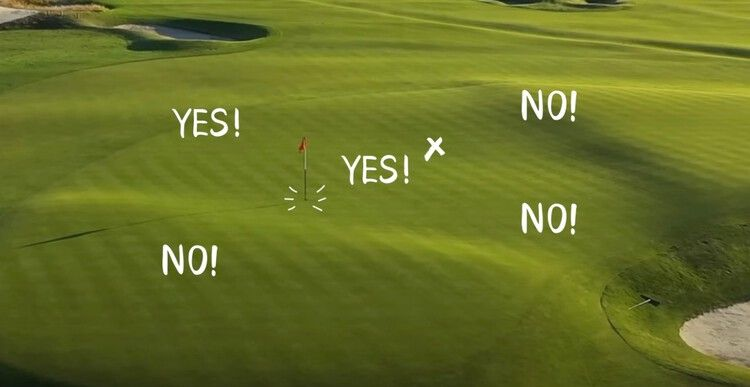
A golf course is not just a random set of holes. It is carefully designed with fairways, bunkers, water hazards, doglegs, and elevation changes. If you take a few minutes before your round to study the layout, you can turn a difficult course into a manageable one. This preparation reduces stress and improves focus during play.
In this guide, you will learn how to read a golf course layout before tee time in a simple and practical way. We will break down course maps, explain key features, and share step-by-step strategies. Whether you are playing your first round or trying to improve your consistency, this guide will help you feel more prepared and confident on the course.
What is How to Read a Golf Course Layout Before Tee Time?
Learning how to read a golf course layout before tee time means understanding the design and structure of the course before you begin playing. A golf course layout is usually provided in the form of a scorecard map or a digital guide. It shows all 18 holes, distances, hazards, and key landmarks.
When you learn how to read a golf course layout before tee time, you are basically studying the playing field in advance. This includes understanding where to aim, where danger zones are located, and how each hole is structured.
A typical layout includes:
- Fairways and their direction
- Bunkers (sand traps)
- Water hazards like lakes or streams
- Green positions
- Tee box locations
- Yardage markers
By studying these elements, you gain a mental picture of the course. This allows you to make smarter decisions during your round instead of reacting blindly to each shot.
Why is How to Read a Golf Course Layout Before Tee Time Important?
Knowing how to read a golf course layout before tee time is important because it directly affects your performance and score. Golf is a game of strategy, not just strength. If you understand the layout, you can avoid unnecessary risks and play more efficiently.
One major benefit is better shot planning. Instead of guessing, you know where to aim and how far to hit. This reduces mistakes and improves consistency.
Another reason is hazard awareness. Many golfers lose strokes because they do not notice bunkers or water hazards until it is too late. By learning how to read a golf course layout before tee time, you can avoid these trouble spots.
It also improves mental confidence. When you know what to expect, you feel less pressure and more control over your game. This is especially helpful for beginners who may feel nervous on unfamiliar courses.
In short, preparation leads to better performance, and reading the layout is the first step in that preparation.
Detailed Step-by-Step Guide
Step 1: Study the Scorecard Map
The first step in how to read a golf course layout before tee time is to examine the scorecard map. This map shows the entire course from above. Look at each hole carefully and note the direction, length, and layout shape.
Pay attention to:
- Hole numbers and distances
- Par for each hole
- General direction of play
This gives you a basic understanding of what lies ahead.
Step 2: Identify Hazards
Next, focus on hazards. These include bunkers, water, and rough areas. Understanding hazard placement is a key part of how to read a golf course layout before tee time.
Ask yourself:
- Where are the danger zones?
- Which holes have water crossings?
- Where are bunkers placed near greens?
Mark these mentally so you can avoid them during play.
Step 3: Analyze Fairway Shape
Fairways are rarely straight. Some are curved, narrow, or blocked by obstacles. When learning how to read a golf course layout before tee time, always check fairway direction.
Look for:
- Doglegs (left or right turns)
- Narrow landing zones
- Wide open driving areas
This helps you decide how aggressively you should tee off.
Step 4: Check Yardage and Club Strategy
Yardage is very important. Each hole has a different distance, and knowing it helps you choose the right club.
In how to read a golf course layout before tee time, match distances with your average shot range. For example:
- Short holes may require irons
- Long holes may require drivers or hybrids
This planning improves accuracy.
Step 5: Study Green Locations
Greens are the final target of each hole. Look at their position and surrounding hazards. Some greens are protected by bunkers or water, making approach shots more difficult.
Understanding green placement is a crucial part of how to read a golf course layout before tee time because it helps you plan your approach shots carefully.
Step 6: Plan Your Strategy for Each Hole
After studying all elements, create a simple plan for each hole. Decide where to aim, which club to use, and how to avoid hazards.
This step turns your knowledge into action and completes the process of how to read a golf course layout before tee time effectively.
Benefits of How to Read a Golf Course Layout Before Tee Time
- Improves shot accuracy and planning
- Reduces unnecessary risks during play
- Helps you avoid hazards like water and bunkers
- Builds confidence before starting your round
- Saves strokes by improving decision-making
- Enhances understanding of course design
- Helps beginners learn faster and play smarter
Disadvantages / Risks
- Overthinking the layout may cause hesitation
- Too much planning can reduce natural play flow
- Beginners may find maps confusing at first
- Weather or course conditions may change strategy
- Relying only on layout without practice can limit performance
Common Mistakes to Avoid
Many golfers make mistakes when learning how to read a golf course layout before tee time. Avoid these common errors:
- Ignoring hazard markers on the map
- Not checking hole distances properly
- Focusing only on driving shots and ignoring approach shots
- Skipping warm-up planning
- Not adjusting strategy for wind or weather
- Forgetting to study green difficulty
Avoiding these mistakes will make your preparation more effective.
FAQs
1. What does reading a golf course layout mean?
It means studying the map of the course before playing to understand hole directions, hazards, and distances. This helps improve your game strategy.
2. Why should I learn how to read a golf course layout before tee time?
It helps you plan shots, avoid hazards, and improve your overall score by making smarter decisions during play.
3. Do professional golfers study course layouts?
Yes, professionals always study layouts before tournaments to understand strategy, hazards, and shot planning for each hole.
4. Can beginners benefit from reading a golf course layout?
Absolutely. Beginners can reduce mistakes and learn faster by understanding the course before playing.
5. What tools can help me read a golf course layout?
You can use printed scorecards, GPS apps, or course websites that provide detailed maps and yardage information.
6. How much time should I spend studying the layout?
Even 10–15 minutes before tee time is enough to understand key details and prepare a basic strategy for your round.
Expert Tips & Bonus Points
- Focus on the first 3 holes to build early confidence
- Use simple notes for each hole strategy
- Always check wind direction before finalizing your plan
- Play safe on unfamiliar courses instead of taking risks
- Practice reading layouts regularly to improve speed and understanding
- Combine layout reading with range practice for better results
Conclusion
Learning how to read a golf course layout before tee time is a powerful skill that can significantly improve your golf performance. It allows you to approach each hole with a clear plan instead of guessing your way through the course. When you understand distances, hazards, and fairway shapes, you gain control over your shots and reduce unnecessary mistakes.
Whether you are a beginner or an intermediate player, taking a few minutes to study the course layout can make a big difference in your final score. It builds confidence, improves focus, and helps you enjoy the game more. Golf is not only about hitting the ball; it is about making smart decisions, and that starts before you even tee off.
By consistently practicing how to read a golf course layout before tee time, you will develop better course management skills. Over time, this will lead to more consistent rounds and lower scores. Remember, preparation is the key to success in golf, and understanding the course is your first step toward playing smarter and better.
